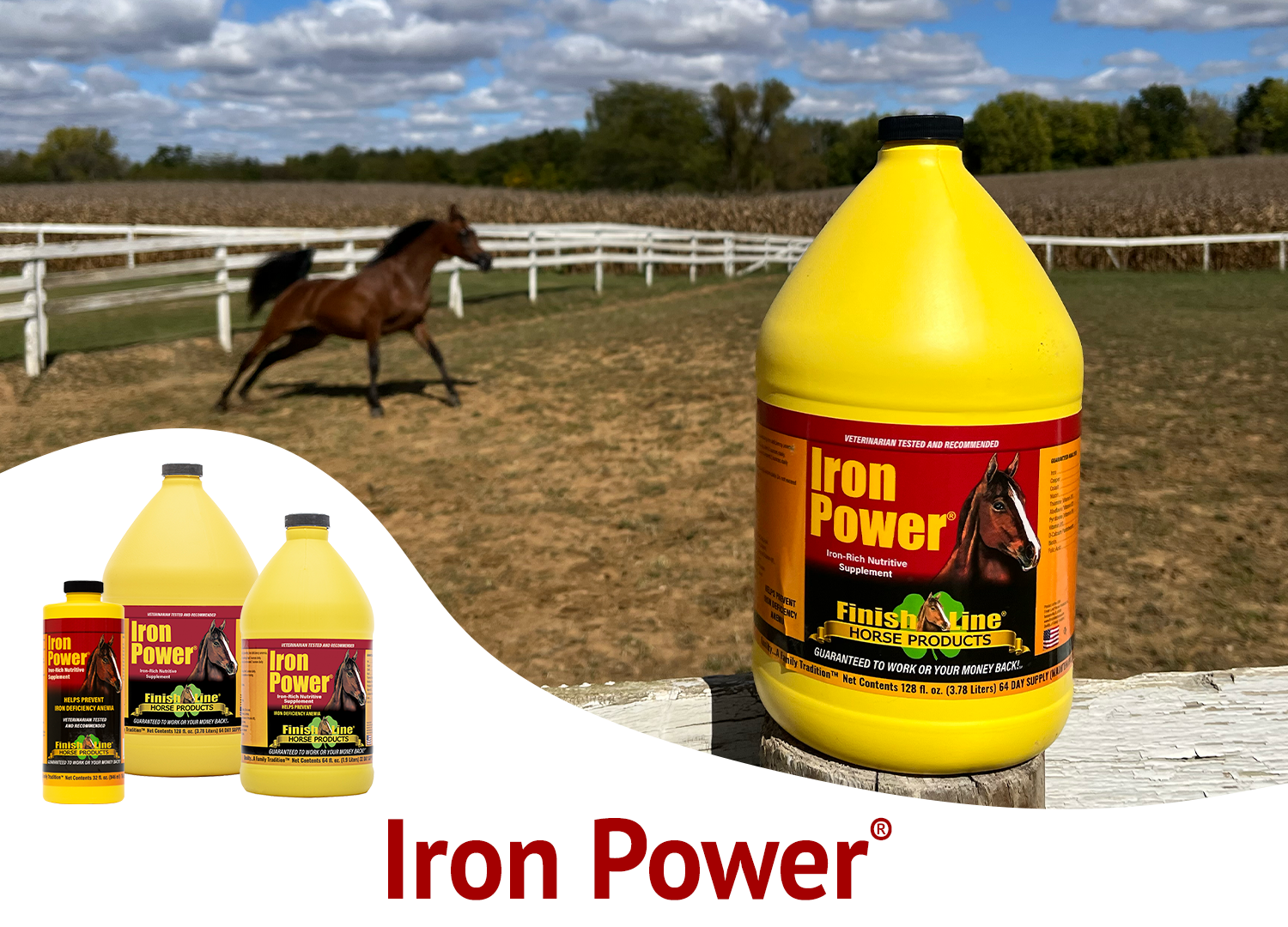
Iron is an essential trace mineral that plays a critical role in a horse’s overall health and physiological function. Its primary role is in the formation of hemoglobin, the protein in red blood cells that carries oxygen from the lungs to tissues throughout the body. Iron is also a component of myoglobin, which stores oxygen in muscle cells and supports muscle metabolism during exercise. In addition, iron is involved in several systems that support energy production, immune function, and normal cellular metabolism.
Because oxygen transport and energy production are critical for performance and overall well-being, maintaining appropriate iron levels is essential for a horse’s health.
Iron in horse nutrition exists in two main chemical forms: ferrous iron (Fe²⁺) and ferric iron (Fe³⁺). The key difference between them is how easily the horse can absorb and use the iron. Ferrous iron is the reduced form and is generally more bioavailable, meaning it is absorbed more efficiently in the horse’s small intestine. Because of this, ferrous forms such as ferrous sulfate, ferrous fumarate, and ferrous gluconate are commonly used in equine supplements.
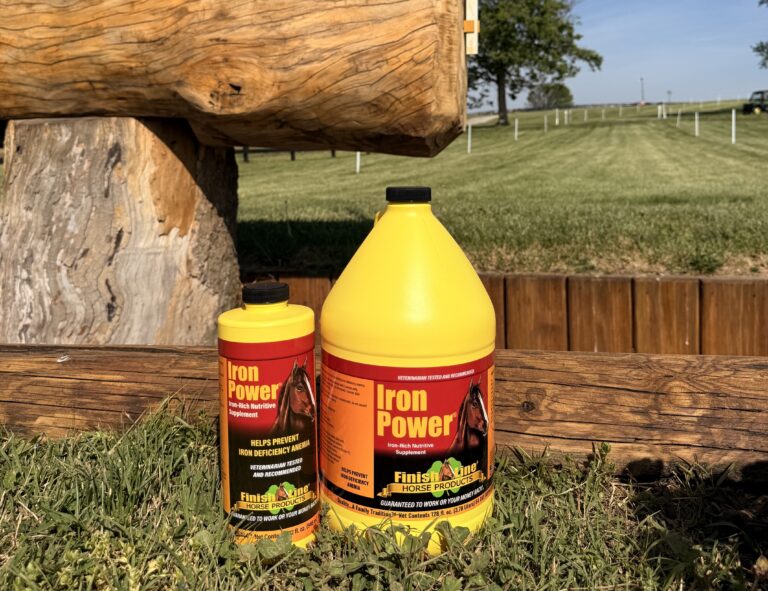
Ferric iron, on the other hand, is the oxidized form of iron. It is more chemically stable but less soluble and less readily absorbed by the horse’s digestive system. Before ferric iron can be absorbed, it must first be converted into the ferrous form within the intestine. This conversion happens through natural digestive processes, sometimes aided by enzymes and compounds such as vitamin C.
Because of this additional step, ferric iron generally contributes less usable iron to the horse compared to ferrous sources.
For many “backyard” horses and pasture pets that do not train, the amount of iron available from forage will usually suffice. However, for performance horses, this is a different matter.
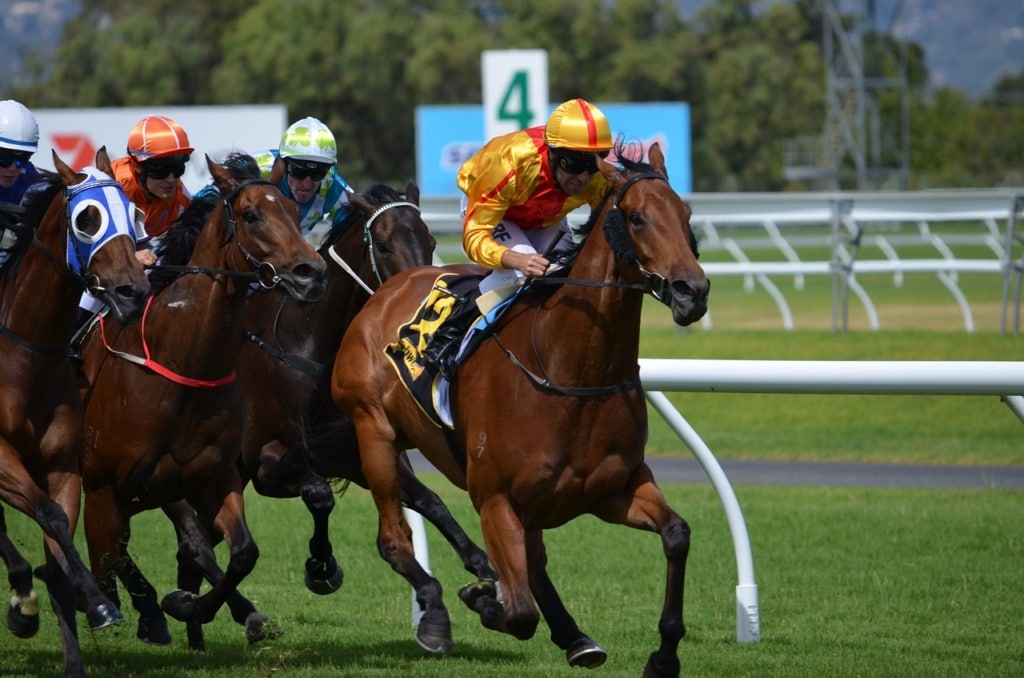
Racing, showing, 3-day eventing, endurance, barrels, cutting, reining, dressage, and other disciplines that require strenuous training and competition can benefit from increased blood counts. Most performance horse supplements designed to increase red blood cells, hemoglobin levels, and total hematocrit have iron as an ingredient.
Overall, ferrous iron tends to be the more absorbable and nutritionally effective form when supplementation is needed. Situations where iron supplementation may be appropriate are not only intense training, but also chronic blood loss, severe parasitism, certain types of anemia, or foals that are consuming only milk and have not yet begun eating forage or feed. Iron toxicity is often talked about but rarely seen. If you are concerned that your horse may be iron deficient, consult with your veterinarian for proper evaluation and guidance.