

Horse Health
Hydration basics for horses
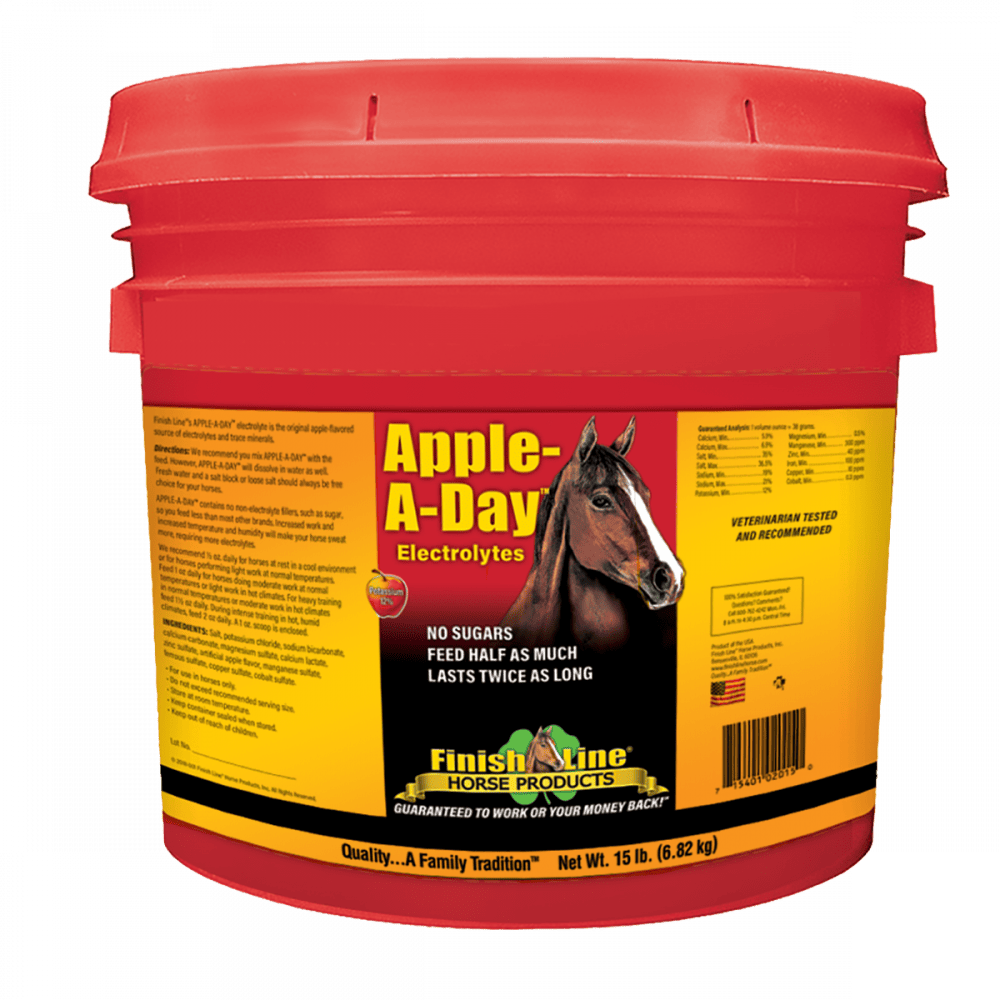
Rising spring and summer temperatures increase your horse’s risk of dehydration.
Practical horse health writing from the Finish Line® team, and the largest section of the blog at 277 articles. Topics run from nutrition and hydration to muscle and joint health, hoof care, immunity, recovery and seasonal management, alongside product FAQs and formula updates. It is written for owners, trainers and grooms who want the reasoning behind a feeding or care decision, not just a checklist.
Rising spring and summer temperatures increase your horse’s risk of dehydration.
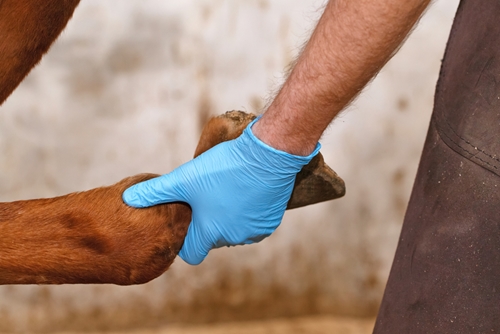
Horses genetically prone to foot problems need a watchful owner and adequate nutrition.
There are many methods for determining whether or not your horse is overweight.
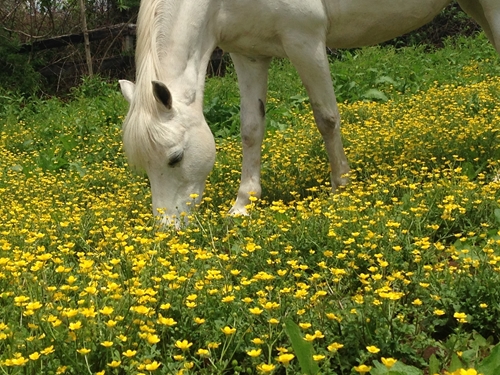
Spring grows near, bringing new vegetation and possibly toxic plants.
Slowly introduce new feed and training schedules to keep your horse healthy and prevent injury.
It’s not fun to see your animals in pain, but it can be easy to spot and diagnose soreness as it occurs.
PSSM alters the way sugar is stored in a horse’s body, causing pain and stiffness.
It’s important to properly prepare your barn and equipment for the changing weather conditions and needs of your horses.
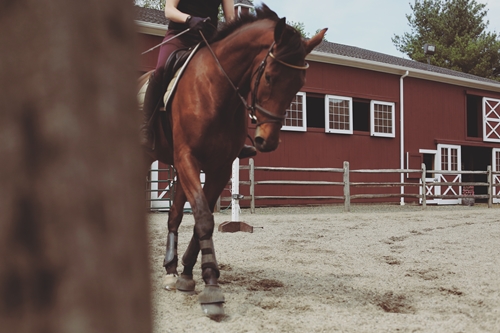
Working with an anxious horse only leaves you frustrated. Here are some tips to calm your animal.
Horses are one of the few animals that primarily cool themselves through perspiration.
Retired racehorses, otherwise known as off-track thoroughbreds, are a great choice for pleasure riding and other sports.
Stretching improves a horse’s proprioceptors – its muscles, joints, ligaments and tendons – keeps it healthy during inclement weather and prevents injury.
Heart attacks are rare in horses, but issues with the organ can compromise performance later in life.
Respiratory problems, mud fever, dehydration and soft feet are common in winter.
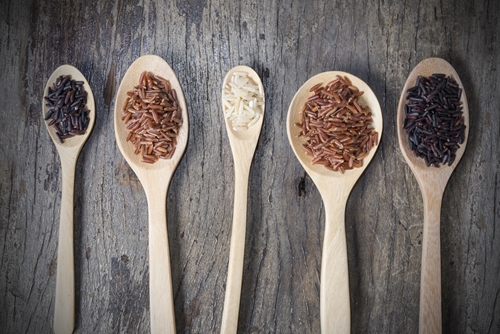
Ingredients like wheat germ oil and rice bran oil, along with proper exercise, support muscle development in horses.
Horses need stable exercise year round – otherwise, they grow out of shape and risk musculoskeletal injuries when ridden again during spring and summer competitions.
Some horses have naturally sensitive skin, while others suffer from an underlying condition.
Your horse’s dietary needs change as the temperature starts to drop.
Although approved by the FDA, nitrofurazone is proven to cause cancer.