
Horse Health
A Note About Vaccine Safety (Vaccinosis)
Vaccines have been in-use for over 200 years (Jenner’s smallpox work, 1796), and we don’t doubt that they help prevent disease in most situations. Rarely,
Practical horse health writing from the Finish Line® team, and the largest section of the blog at 277 articles. Topics run from nutrition and hydration to muscle and joint health, hoof care, immunity, recovery and seasonal management, alongside product FAQs and formula updates. It is written for owners, trainers and grooms who want the reasoning behind a feeding or care decision, not just a checklist.
Vaccines have been in-use for over 200 years (Jenner’s smallpox work, 1796), and we don’t doubt that they help prevent disease in most situations. Rarely,
Those new to horse ownership will soon discover that there is a whole community of professionals with whom they must familiarize themselves.
For horse owners concerned about equine health, winter also means some extra responsibility.
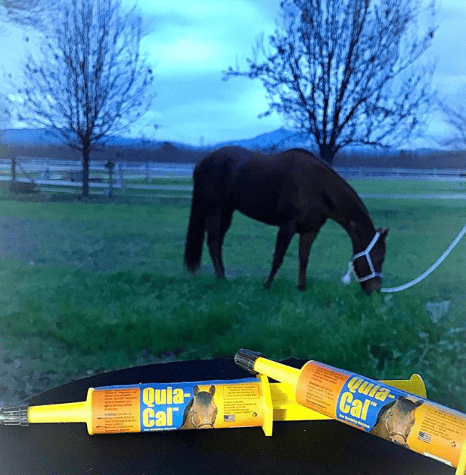
See FirstU-7™ Gastric Aid – is an easy-to-feed Vitamin/Herbal blend that helps promote a healthy equine digestive system including the foregut and hindgut. On the
Your horse needs a little care to help him to adjust to new climates.
Just like any other animal, horses need a good amount of exercise every day in order to stay healthy, fit and cooperative.
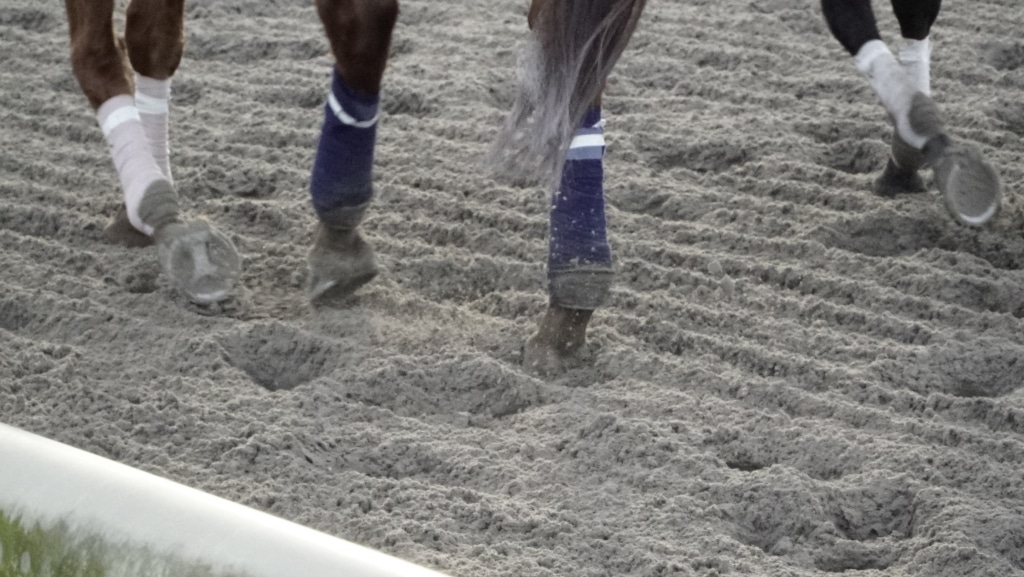
Racehorses commonly suffer splints, bone bruises and other conditions.
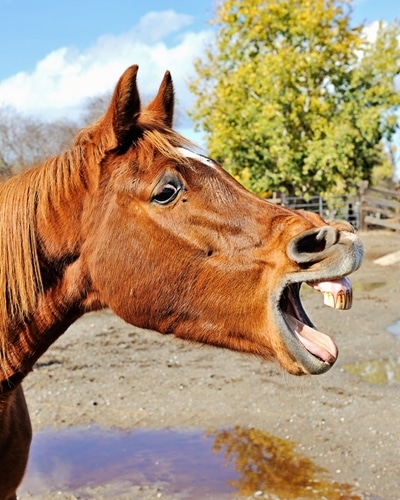
Here’s what your horse is trying to say when it twitches, neighs and swishes.
Take a look at how you can manage and treat an underweight older horse.
The dental health of your horse is one of the more overlooked elements to maintaining the overall well-being of an equine.
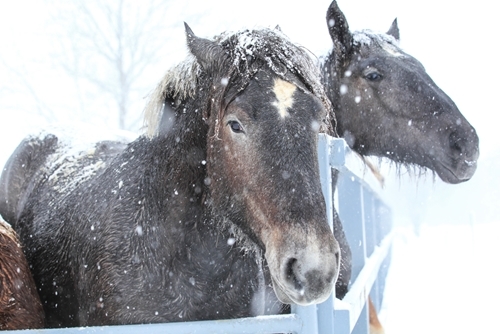
The winter season can be harsh enough to make anyone shiver. But for horses, it’s usually even more difficult to stay healthy this time of year, especially if their trainer isn’t properly caring for them.
Here are a few air quality issues you should be aware of as well as best practices to give your horse a healthy environment to live in.
Sometimes senior equines can’t or won’t eat hay. Even though hay is one of the most common types of forage that horses consume, managing diets becomes slightly trickier when it comes to the aging animals.
Most horse allergies are relatively easy to treat.
If you plan to compete with your horse, equine supplements will quickly become part of your daily routine.
Here are a few reasons why iron is an essential nutrient for your horse’s diet, as well as how to spot potential deficiency and recommended sources for the mineral.
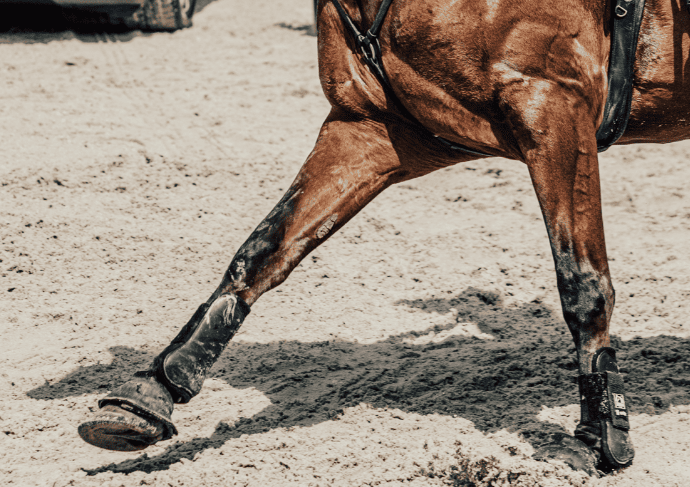
Any owner or trainer trying to preserve their horse’s agility and speed should consider implementing these recovery strategies for protecting legs from future injury or damage:
Understanding colic helps you make the right decisions and get help when your horse starts exhibiting symptoms.
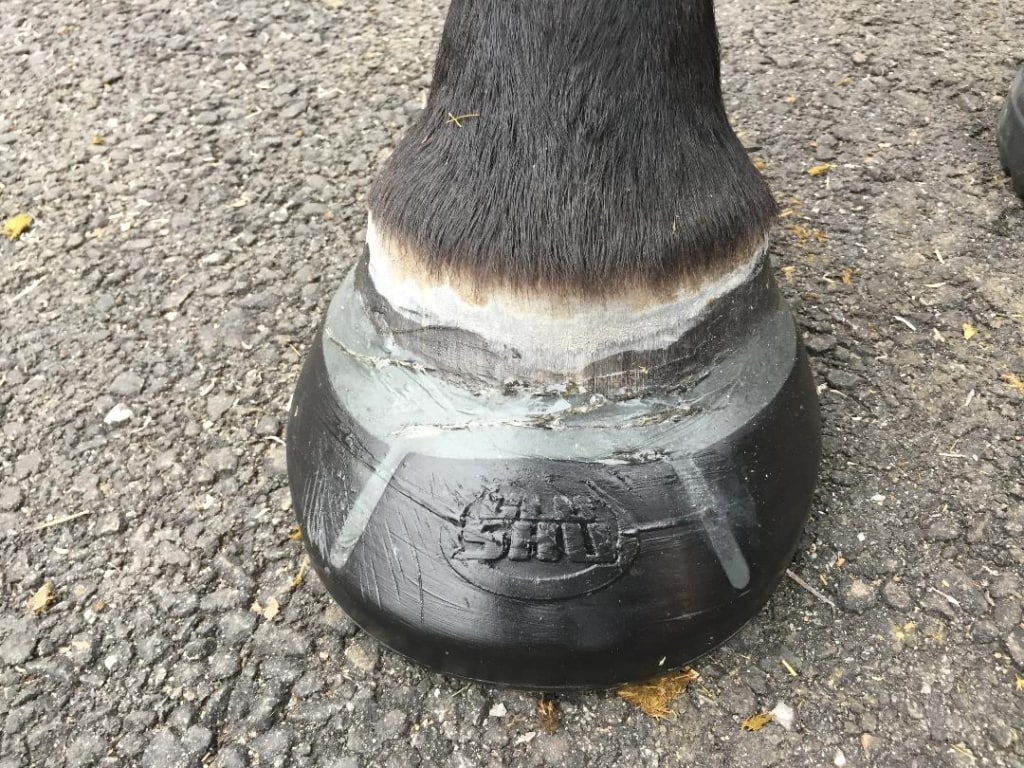
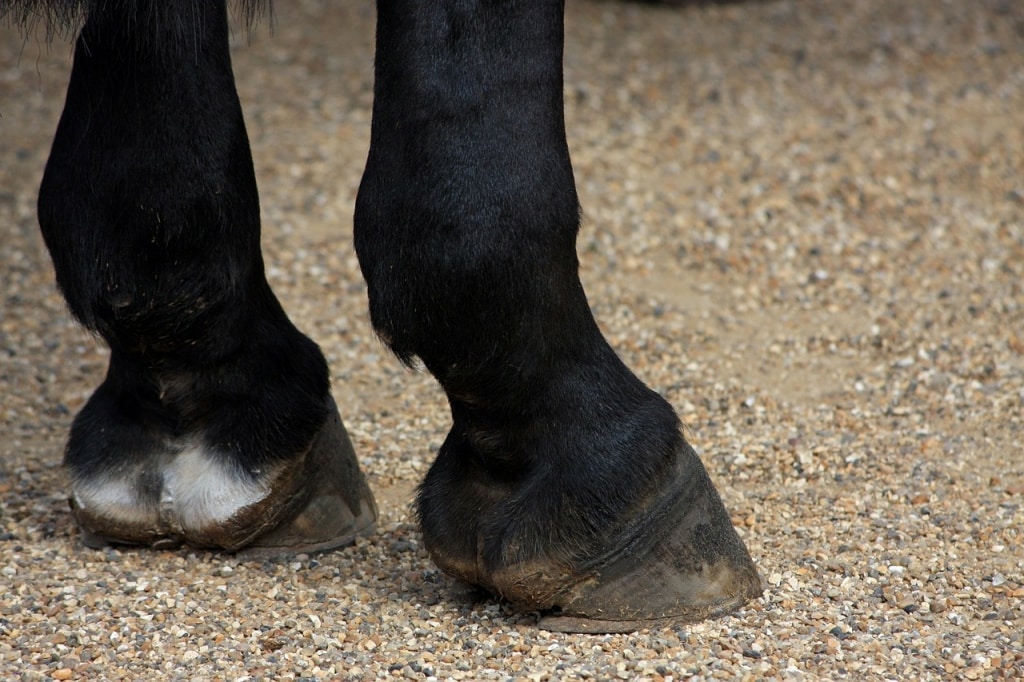
Here are some of the more common causes of hoof complications, as well as how to properly treat these experiences: