
Horse Health
4 Ways to Support Equine Gut Health
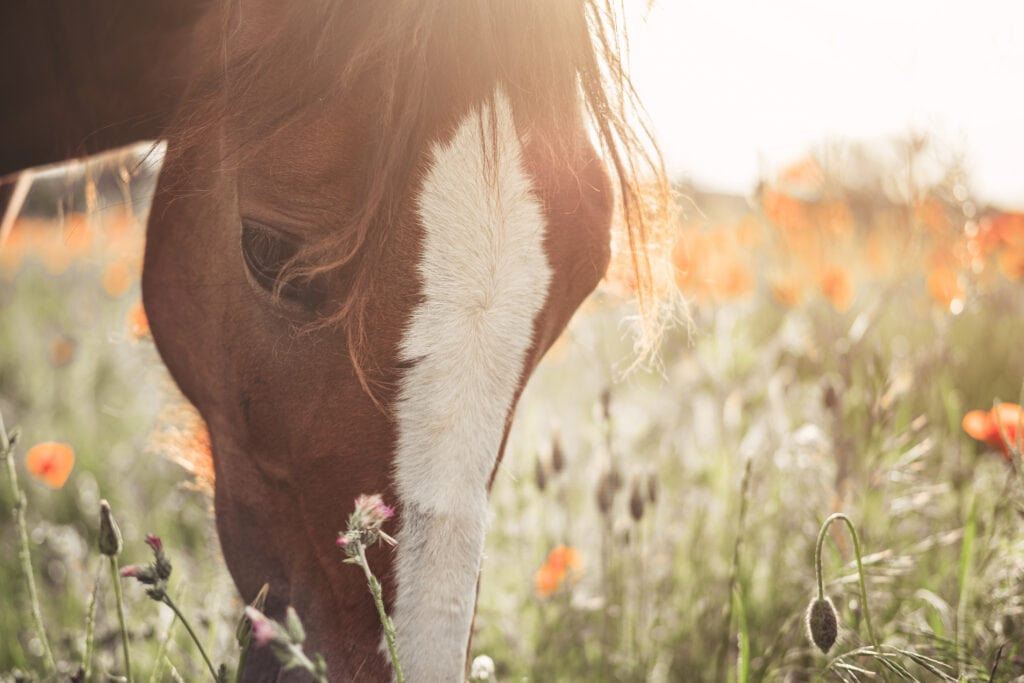
Here are a few key things to consider when addressing your horse’s digestive health.
Practical horse health writing from the Finish Line® team, and the largest section of the blog at 277 articles. Topics run from nutrition and hydration to muscle and joint health, hoof care, immunity, recovery and seasonal management, alongside product FAQs and formula updates. It is written for owners, trainers and grooms who want the reasoning behind a feeding or care decision, not just a checklist.
Here are a few key things to consider when addressing your horse’s digestive health.
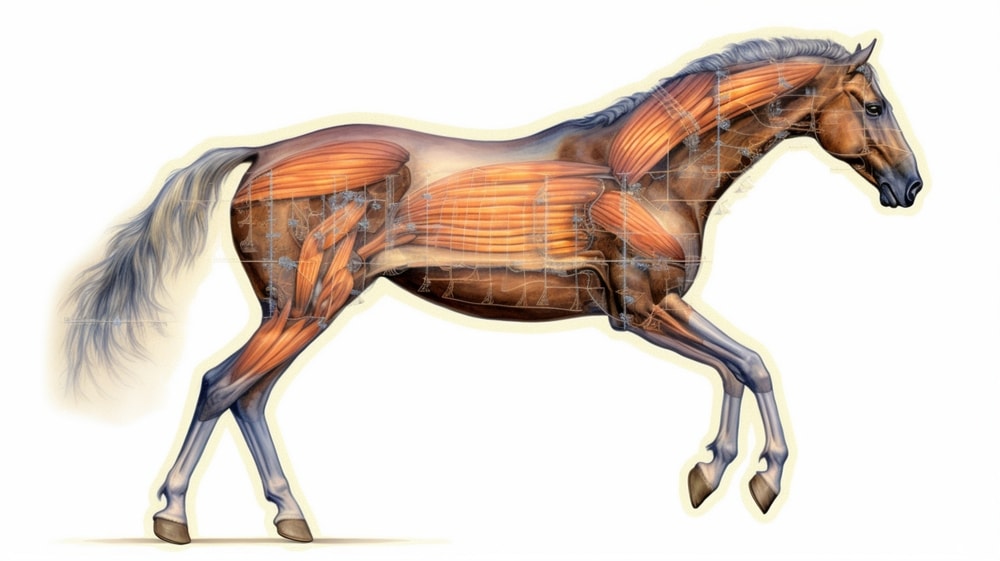
To say that healthy muscle development is important for your horse is an understatement. Read on to learn more about how to keep your equine partner fit, strong, and feeling its best.
Building muscle in horses requires proper diet, sufficient protein supplementation, and exercise.
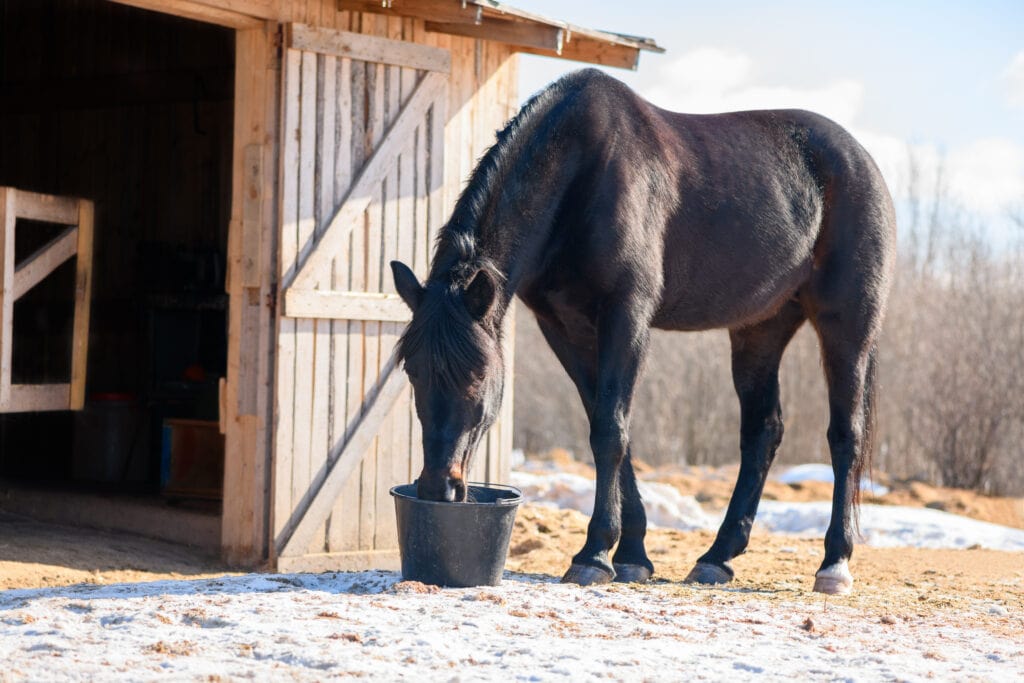
Caring for your horse in the winter can be challenging, especially for those in colder climates.
Honey’s medical properties don’t apply to humans alone. Honey can benefit horse health in many ways too. From soothing coughs to its natural antibacterial properties, honey can help address a range of equine health issues.
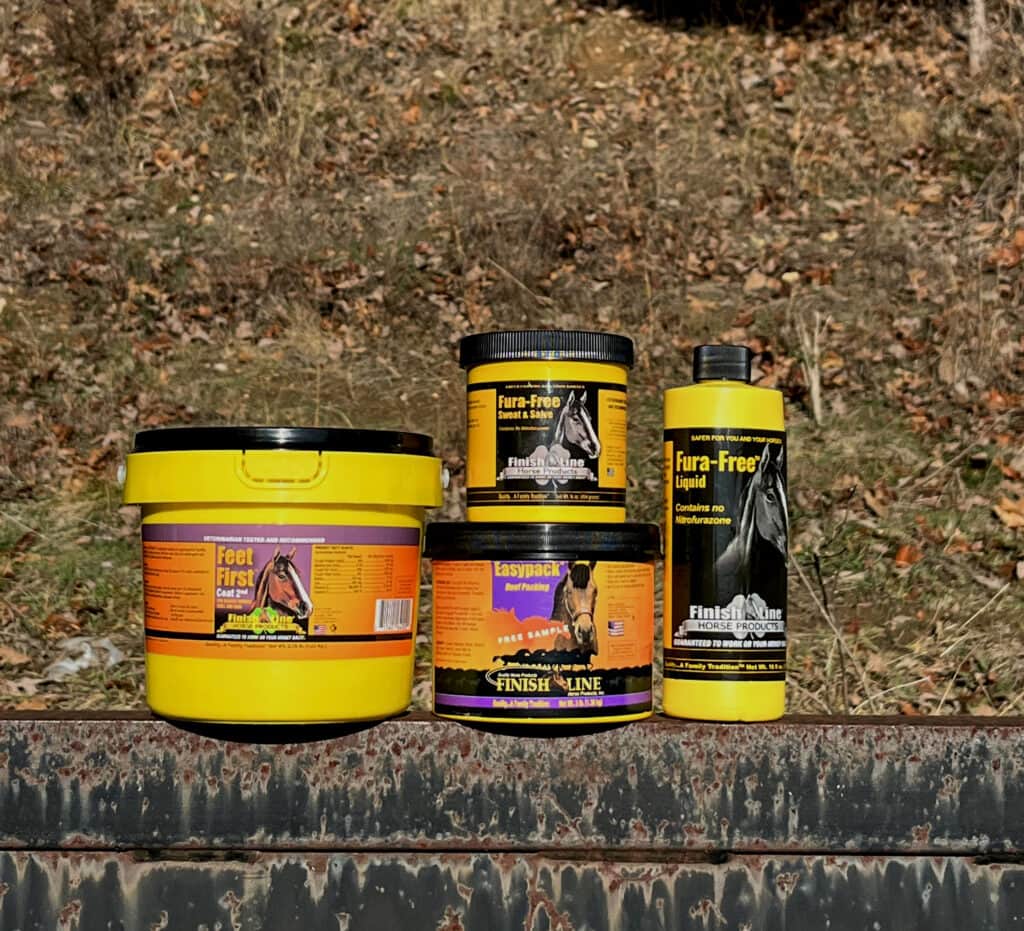
The equine hoof is arguably the most vital part of your horse’s body. If a horse’s hoof becomes damaged, it increases the risk of secondary leg and body injury too. Luckily for horse owners, there are many ways to keep your horses’ hooves in top shape and to help prevent and treat common hoof health-related issues.
Healthy equine blood counts keep a horse’s well being, immunity, performance, and recovery in peak condition. Learn how to address equine anemia and how a dietary supplement can help keep your horse’s blood counts in a healthy range.
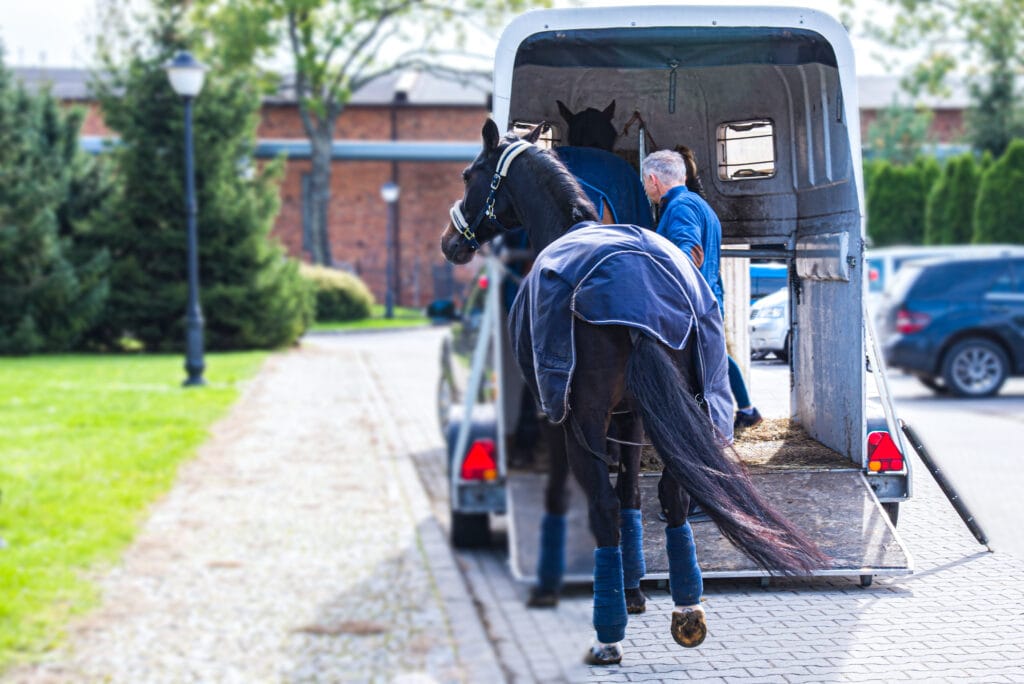
From the potential of shipping fever to the stresses of travel, a range of immunity challenges awaits horses and their owners. By staying informed and taking an immunity-first approach, you can take steps to ensure your horse’s well-being throughout its journey so you can both sit back and enjoy the ride.
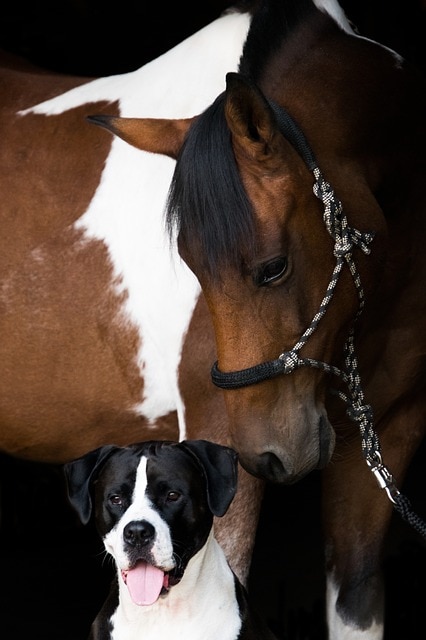
If you’re a horse trainers who is interested in adding a dog to the family, here are a few tips to consider when it comes to appropriately introducing one furry friend to another.
Maintaining joint health throughout a horse’s life helps prevent osteoarthritis.
Supplementing electrolytes into a horse’s diet requires strategy and knowledge.
Performance horses need additional supplements to make up for the demands of competition.
There are several all-natural horse products that support skin health.
Here are a few tips trainers can take into account for acting like natural leaders for their horses.
The difference between asthma, inflammatory airway disease and recurrent airway obstruction has been hard to distinguish, leading a group of veterinarians to recommend the term “equine asthma syndrome.”
Horses evolved to graze and move freely, but after being domesticated, obesity rates increased.
Humans aren’t the only animals susceptible to arthritis; it can affect horses as well.
Blood tests are a necessary tool to determine your horse’s basic health and diagnose any complications.