
Horse Facts
4 horseback adventures you must do before you die
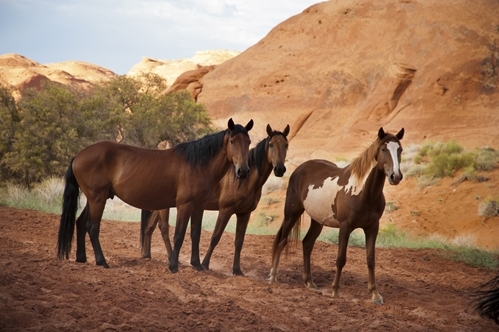
There is seemingly no end to the number of incredible horseback treks one can find across the world. Here are four any riding enthusiast must absolutely do.
Background reading on how the horse actually works - anatomy, physiology and the science sitting behind everyday care decisions. Articles here cover subjects such as equine anemia and blood counts, how muscle is built, hoof structure, immune function and seasonal change. Where the Horse Health section is about what to do, this section is about why it works that way.
There is seemingly no end to the number of incredible horseback treks one can find across the world. Here are four any riding enthusiast must absolutely do.
Bloodline is importance in the world of horses. But to carry on a strong horse lineage, you have to understand the complex world of horse relationships.
There is something about trotting through the pastures on a horse that makes it hard to remain aggravated.
With New Year’s nearly upon us, it’s time to make that trusty list of resolutions. Here are four goals that equine enthusiasts may want to put down.
The use of the hormone called PZP is splitting many in the horse advocacy community.
Christmas isn’t just a time to spoil your human friends with well-thought out gifts – you should also be thinking about how to pamper your horse.
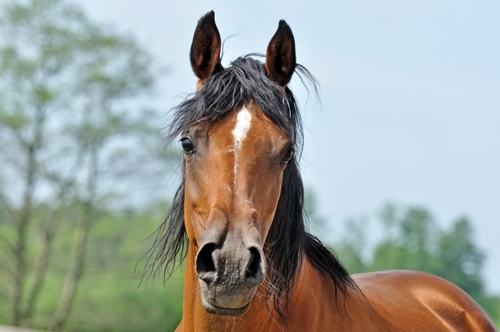
If you own or take care of a horse, you probably know at least a little bit about these regal animals. But did you know these four astonishing facts?
A new study suggests the use of martingales can help reduce rein tension among novice riders, which can lead to happier, healthier horses.
Swimming is a great way to help your horse exercise and even unwind. Before you get in the water, though, you need to be prepared – and not just wearing floaties.
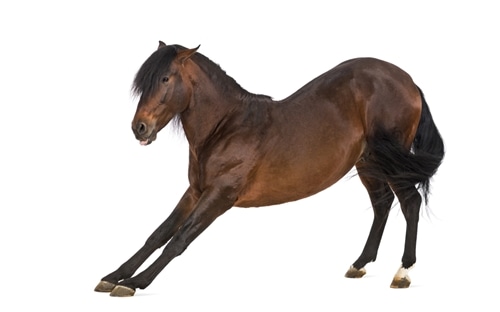
Like humans, certain exercises can help to build and strengthen a horse’s muscles. In turn, this can help improve their posture, extend their stamina and make them more engaged overall.
For the first time, researchers, trainers and others in the horse industry have a guide to help them better understand the emotional state of mares, foals and stallions.
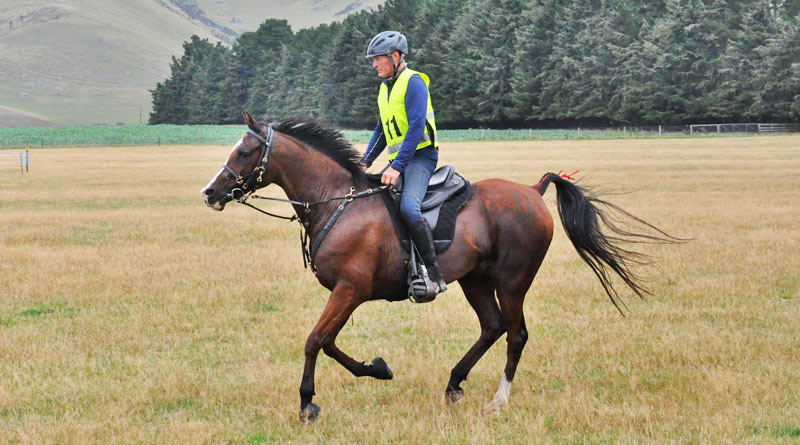
By examining the behaviors and practices of competitive endurance riders, researchers in New Zealand are getting a better idea of how to train and care for endurance horses.
New research is demonstrating that nerve blocking, accompanied by diagnostic tests, can better treat horses with varying pain levels.
These therapeutic methods will help veterans with PTSD learn better communication and integration skills.
Baybe the horse is the latest demonstration of the profound effect horses can have on our emotional and physical well-being.
Eastern equine encephalitis can be especially dangerous for horses, and knowledge is the first step in prevention.
Horses have an ability to perceive and understand emotions, just like humans. And in the same way, their interactions can be fraught with miscommunication and uncertainty. It’s your job as a trainer to facilitate these meetings.
Often times, sugar can give a horse an added boost of energy. However, trainers need to be aware of when, where and what kinds of treats to offer their beloved animals.
Called the SeeHorse, the device monitors heart rate and breathing to help with early diagnosis.
Finite-element modeling is giving researchers a look at how the joints of race horses are affected at high speeds.